For researchers tracking the growth patterns of morphs, the banana ball python presents a distinctive set of visual cues once it reaches adult size. Understanding these markers—color intensity, pattern retention, and size metrics—helps differentiate a mature specimen from a juvenile and informs proper husbandry decisions.
What defines “full grown” in a banana ball python?
Adult banana ball pythons typically measure 48‑60 inches (122‑152 cm) from head to tail and weigh between 1.5‑2.5 lb (0.7‑1.1 kg). Their signature bright yellow‑gold base color deepens with age, while the characteristic brown “banana” blotches become more defined rather than fading. Unlike some morphs, the banana pattern does not disappear as the snake matures; instead, the contrast sharpens, making it a reliable maturity indicator.
How does scale texture change with age?
Juvenile scales are smoother and reflect more light, giving younger snakes a glossy sheen. In a full‑grown banana ball python, the dorsal scales develop a subtle matte finish due to the buildup of keratin layers. This tactile shift can be felt by gently running a fingertip along the back—an adult will feel slightly rougher than a hatchling.
Which environmental cues confirm adult status?
Adults exhibit stable thermoregulatory behavior: they seek the same temperature gradient (78‑82 °F/25‑28 °C) consistently and display less frequent basking bouts compared to growing juveniles, which often linger near the warm side to accelerate metabolism. Observing feeding frequency also helps; mature bananas eat larger meals (approximately 10‑12 % of body weight) every 1‑2 weeks, whereas juveniles require more frequent, smaller feedings.
Visual guide: banana fruit comparison

The banana’s vibrant peel mirrors the adult snake’s hue. Notice how the brown speckles on the fruit echo the snake’s pattern—both become more pronounced as they reach peak ripeness or maturity. This parallel helps field researchers quickly verify an adult’s coloration in situ.
How to measure a full‑grown banana ball python accurately?
Use a flexible measuring tape and gently straighten the snake without stretching. Record total length and tail length separately; the tail of a full‑grown banana ball python is roughly 12‑15 % of total length. Pair measurements with weight on a digital scale for a comprehensive growth profile.
What husbandry adjustments are needed for adults?
Enclosure size can be reduced modestly once the snake is fully grown, as adults require less floor space for active exploration. However, maintain a minimum interior volume of 20 gallons (75 L) to allow proper humidity control. Feeding larger prey items—frozen‑thawed mice of 30‑35 g—supports sustained health without overfeeding.
Case study: distinguishing a full‑grown banana from a similar morph
Researchers often confuse the banana with the pastel morph, which shares a yellow base. The key difference lies in pattern intensity: pastel retains a muted, almost pastel‑like blotch, while a full‑grown banana displays deep, chocolate‑brown markings that remain crisp against the bright background. Documenting these nuances in a field notebook prevents misidentification.
Visual reference: close‑up banana detail

This higher‑resolution image emphasizes the banana’s surface texture, mirroring the scale granularity of an adult snake. Researchers can use such side‑by‑side comparisons during lab assessments or educational presentations.
For researchers tracking the growth patterns of morphs, the banana ball python presents a distinctive set of visual cues once it reaches adult size. Understanding these markers—color intensity, pattern retention, and size metrics—helps differentiate a mature specimen from a juvenile and informs proper husbandry decisions.
What defines “full grown” in a banana ball python?
Adult banana ball pythons typically measure 48‑60 inches (122‑152 cm) from head to tail and weigh between 1.5‑2.5 lb (0.7‑1.1 kg). Their signature bright yellow‑gold base color deepens with age, while the characteristic brown “banana” blotches become more defined rather than fading. Unlike some morphs, the banana pattern does not disappear as the snake matures; instead, the contrast sharpens, making it a reliable maturity indicator.
How does scale texture change with age?
Juvenile scales are smoother and reflect more light, giving younger snakes a glossy sheen. In a full‑grown banana ball python, the dorsal scales develop a subtle matte finish due to the buildup of keratin layers. This tactile shift can be felt by gently running a fingertip along the back—an adult will feel slightly rougher than a hatchling.
Which environmental cues confirm adult status?
Adults exhibit stable thermoregulatory behavior: they seek the same temperature gradient (78‑82 °F/25‑28 °C) consistently and display less frequent basking bouts compared to growing juveniles, which often linger near the warm side to accelerate metabolism. Observing feeding frequency also helps; mature bananas eat larger meals (approximately 10‑12 % of body weight) every 1‑2 weeks, whereas juveniles require more frequent, smaller feedings.
Visual guide: banana fruit comparison
The banana’s vibrant peel mirrors the adult snake’s hue. Notice how the brown speckles on the fruit echo the snake’s pattern—both become more pronounced as they reach peak ripeness or maturity. This parallel helps field researchers quickly verify an adult’s coloration in situ.
How to measure a full‑grown banana ball python accurately?
Use a flexible measuring tape and gently straighten the snake without stretching. Record total length and tail length separately; the tail of a full‑grown banana ball python is roughly 12‑15 % of total length. Pair measurements with weight on a digital scale for a comprehensive growth profile.
What husbandry adjustments are needed for adults?
Enclosure size can be reduced modestly once the snake is fully grown, as adults require less floor space for active exploration. However, maintain a minimum interior volume of 20 gallons (75 L) to allow proper humidity control. Feeding larger prey items—frozen‑thawed mice of 30‑35 g—supports sustained health without overfeeding.
Case study: distinguishing a full‑grown banana from a similar morph
Researchers often confuse the banana with the pastel morph, which shares a yellow base. The key difference lies in pattern intensity: pastel retains a muted, almost pastel‑like blotch, while a full‑grown banana displays deep, chocolate‑brown markings that remain crisp against the bright background. Documenting these nuances in a field notebook prevents misidentification.
Visual reference: close‑up banana detail
This higher‑resolution image emphasizes the banana’s surface texture, mirroring the scale granularity of an adult snake. Researchers can use such side‑by‑side comparisons during lab assessments or educational presentations.
Close-up Sweet Fresh Banana Fruit Still Hanging On The Tree 50630364

Close-up Sweet fresh banana fruit still hanging on the tree 50630364 ...
Premium Photo | Close Up Photo Of Fresh Fruit Banana

Premium Photo | Close up photo of fresh fruit Banana
Free Picture: Up-close, Ripe, Bananas Market
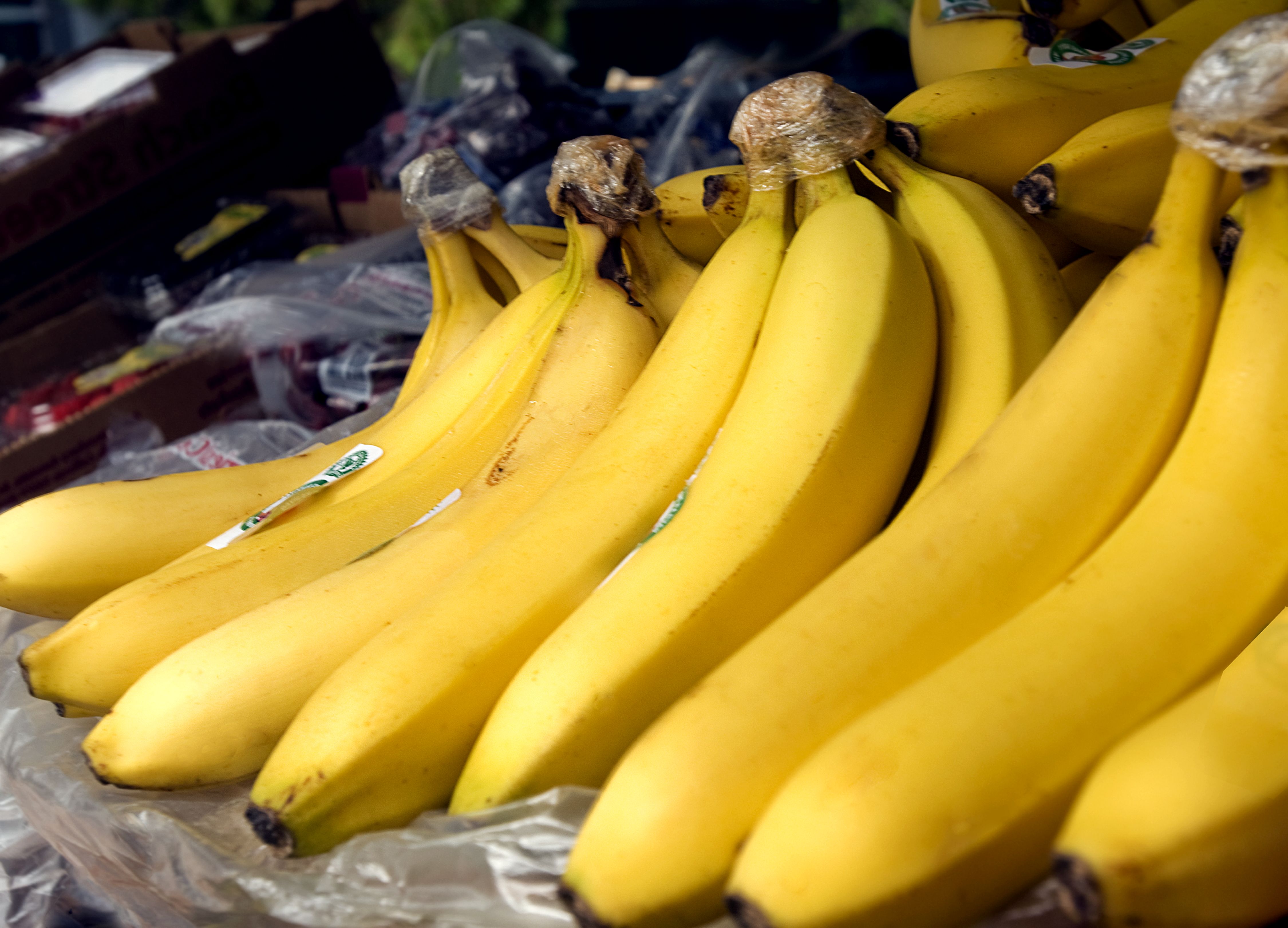
Free picture: up-close, ripe, bananas market