When a trend‑savvy reptile enthusiast decides to add a snake to the collection, the “banana python for sale” often tops the list because of its striking yellow‑gold pattern and manageable size. Below we walk through real‑world scenarios where a banana python shines, then break down the key criteria that separate a good purchase from a regret.
Home‑Office Companion: Low‑Maintenance Personality

For remote workers who spend long hours at a desk, a banana python offers quiet, predictable activity. Its nocturnal foraging can be observed during short evening breaks, providing a calming visual break without the noise of a larger constrictor. Because the species tolerates moderate humidity and feeds well on pre‑killed rodents, owners can keep husbandry simple while still enjoying the snake’s vivid display.
Educational Demonstrations in Schools
Science teachers looking for an engaging reptile often choose a banana python for its vivid coloration, which makes anatomical features easy to point out during lessons on ectothermy, scale patterns, and predator‑prey dynamics. The snake’s docile temperament when handled correctly reduces risk, allowing students to experience safe, hands‑on learning without the need for extensive safety gear.
Breeding Projects: Predictable Genetics
Serious breeders appreciate that banana pythons have relatively stable coat‑color genetics, making it simpler to plan for desired morphs. When selecting a banana python for sale, prioritize individuals with clear, unblemished patterning and a healthy weight‑to‑length ratio (roughly 1 % of total length). Pairing such specimens can yield consistent offspring, which is valuable for both hobbyists and small‑scale commercial operations.
Travel‑Ready Pets for Frequent Movers
Professionals who relocate often need a reptile that adapts quickly to new terrariums. Banana pythons adjust to a range of temperature gradients (78–86 °F during the day) and can thrive in compact, well‑ventilated setups. When buying, ask the seller for a recent health check and a starter kit that includes a secure transport box, reducing stress during moves.
Selection Checklist: What to Verify Before Purchase
- Health Indicators: Clear eyes, intact scales, and steady weight gain over the past month.
- Origin Documentation: Verify that the snake was captive‑bred, not wild‑caught, to ensure legal compliance and better adaptability.
- Temperament Test: Request a brief handling session; a calm response suggests a good fit for beginners.
- Enclosure Compatibility: Confirm that the seller’s recommended terrarium size (minimum 4 ft long, 2 ft wide, 2 ft high) matches what you can provide.
- Feeding History: Know the last feed date and prey size to avoid over‑ or under‑feeding during the transition period.
Next Steps: From Purchase to Long‑Term Care
After locating a reputable source, schedule a video call to observe the snake’s behavior in its current habitat. Once you bring the banana python home, give it a week to acclimate before the first feed, and start a log of temperature, humidity, and weight. This disciplined approach turns a simple “banana python for sale” transaction into a sustainable, rewarding hobby.
When a trend‑savvy reptile enthusiast decides to add a snake to the collection, the “banana python for sale” often tops the list because of its striking yellow‑gold pattern and manageable size. Below we walk through real‑world scenarios where a banana python shines, then break down the key criteria that separate a good purchase from a regret.
Home‑Office Companion: Low‑Maintenance Personality
For remote workers who spend long hours at a desk, a banana python offers quiet, predictable activity. Its nocturnal foraging can be observed during short evening breaks, providing a calming visual break without the noise of a larger constrictor. Because the species tolerates moderate humidity and feeds well on pre‑killed rodents, owners can keep husbandry simple while still enjoying the snake’s vivid display.
Educational Demonstrations in Schools
Science teachers looking for an engaging reptile often choose a banana python for its vivid coloration, which makes anatomical features easy to point out during lessons on ectothermy, scale patterns, and predator‑prey dynamics. The snake’s docile temperament when handled correctly reduces risk, allowing students to experience safe, hands‑on learning without the need for extensive safety gear.
Breeding Projects: Predictable Genetics
Serious breeders appreciate that banana pythons have relatively stable coat‑color genetics, making it simpler to plan for desired morphs. When selecting a banana python for sale, prioritize individuals with clear, unblemished patterning and a healthy weight‑to‑length ratio (roughly 1 % of total length). Pairing such specimens can yield consistent offspring, which is valuable for both hobbyists and small‑scale commercial operations.
Travel‑Ready Pets for Frequent Movers
Professionals who relocate often need a reptile that adapts quickly to new terrariums. Banana pythons adjust to a range of temperature gradients (78–86 °F during the day) and can thrive in compact, well‑ventilated setups. When buying, ask the seller for a recent health check and a starter kit that includes a secure transport box, reducing stress during moves.
Selection Checklist: What to Verify Before Purchase
- Health Indicators: Clear eyes, intact scales, and steady weight gain over the past month.
- Origin Documentation: Verify that the snake was captive‑bred, not wild‑caught, to ensure legal compliance and better adaptability.
- Temperament Test: Request a brief handling session; a calm response suggests a good fit for beginners.
- Enclosure Compatibility: Confirm that the seller’s recommended terrarium size (minimum 4 ft long, 2 ft wide, 2 ft high) matches what you can provide.
- Feeding History: Know the last feed date and prey size to avoid over‑ or under‑feeding during the transition period.
Next Steps: From Purchase to Long‑Term Care
After locating a reputable source, schedule a video call to observe the snake’s behavior in its current habitat. Once you bring the banana python home, give it a week to acclimate before the first feed, and start a log of temperature, humidity, and weight. This disciplined approach turns a simple “banana python for sale” transaction into a sustainable, rewarding hobby.
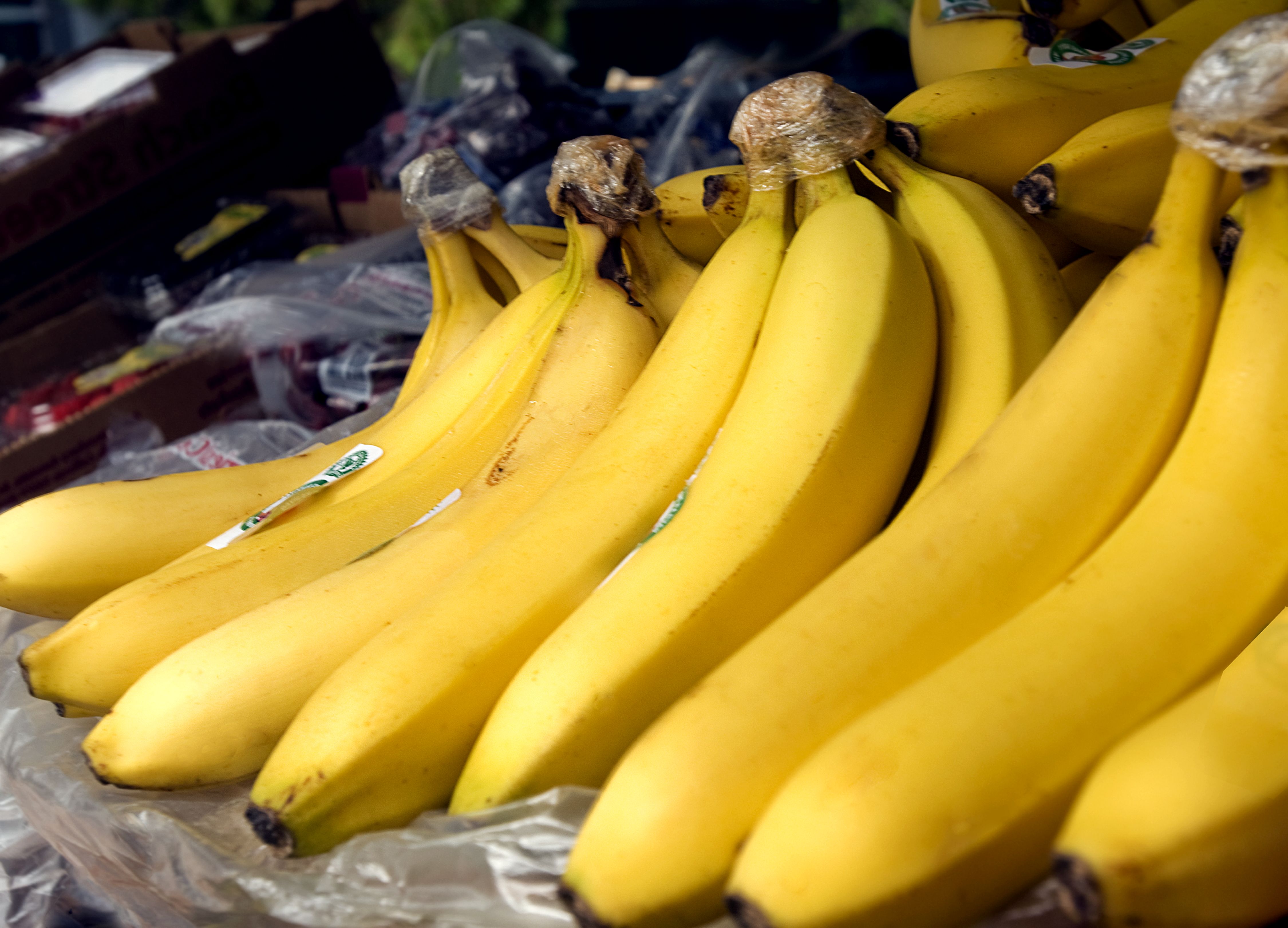
Premium Photo | Close Up Photo Of Fresh Fruit Banana

Premium Photo | Close up photo of fresh fruit Banana
Close-up Sweet Fresh Banana Fruit Still Hanging On The Tree 50630364

Close-up Sweet fresh banana fruit still hanging on the tree 50630364 ...
Premium Photo | Close Up Photo Of Fresh Fruit Banana

Premium Photo | Close up photo of fresh fruit Banana