You’re scrolling through listings or browsing a reptile expo, and that vibrant yellow-and-white pattern catches your eye. It is easy to get swept up in the excitement of finding a banana pastel ball python for sale, but rushing the process often leads to headaches down the road. Knowing what to look for—and what to avoid—can save you from vet bills and disappointment.
What Makes the Banana Morph So Distinctive?

The name says it all. The "banana" gene is famous for turning the usual dark black and brown patterns into brilliant shades of yellow and soft lavender or gray. When you look at a high-quality specimen, the intensity of that yellow is the main selling point. Just like the fruit shown here, the best examples of this morph show a saturation that pops against a clean, blushing white background. The addition of the "pastel" gene serves to brighten the colors even further, reducing the dark edges of the "alien heads" along the snake's back.
Why Avoid "Mystery" Genetics and Bargain Bins?
A common mistake for first-time buyers is grabbing the cheapest animal available without proper lineage. While the initial price tag might look attractive, you often inherit unknown health issues or aggressive temperaments. Furthermore, the "pastel" gene is expected to brighten the blushing on the head and clean up the pattern. Without confirmation of genetics, you might end up with a standard banana that lacks the high-contrast look you wanted. Smarter shopping means asking for the genetic history of the parents to ensure you are paying for the specific combo and vibrant colors you desire.
How Can You Confirm the Snake’s Health?
Don't rely solely on a photograph. Request a recent feeding video and check for muscle tone along the snake's spine—knots or visible ribs are red flags. A healthy snake should have a rounded body, clear eyes (unless in shed), and breathe without audible wheezing. Reputable sellers will be transparent about any quirks and will often offer a short health guarantee, which is a safer alternative to buying from a third-party platform with no accountability. Always ask about the animal's feeding record; a ball python that eats consistently is worth the extra effort to find.
Do These Pythons Change Color as They Mature?

It is crucial to understand that this morph is a chameleon. Baby banana pastels often hatch with dark, murky grey or purple blotches where the yellow will eventually appear. As they shed and grow, that dark pigment fades away, leaving behind the bright yellow everyone loves. It is visually similar to how a green banana ripens into a vibrant yellow fruit over time. If you are buying a hatchling, ask for photos of the parents to predict the eventual color outcome, as the genetics from the sire and dam will dictate how bright that yellow will become.
Is Your Enclosure Setup Before You Bring It Home?
The smartest buyers have the enclosure running and stable for at least a week before making a purchase. Temperature gradients and humidity levels must be dialed in to prevent stress and refusal to eat. Setting up the environment after the snake arrives adds unnecessary risk and complications. Have your thermostat, hides, and substrate ready so your new pet can settle in immediately. This preparation is the smarter alternative to scrambling for supplies at the last minute, ensuring your banana pastel thrives from day one.
You’re scrolling through listings or browsing a reptile expo, and that vibrant yellow-and-white pattern catches your eye. It is easy to get swept up in the excitement of finding a banana pastel ball python for sale, but rushing the process often leads to headaches down the road. Knowing what to look for—and what to avoid—can save you from vet bills and disappointment.
What Makes the Banana Morph So Distinctive?
The name says it all. The "banana" gene is famous for turning the usual dark black and brown patterns into brilliant shades of yellow and soft lavender or gray. When you look at a high-quality specimen, the intensity of that yellow is the main selling point. Just like the fruit shown here, the best examples of this morph show a saturation that pops against a clean, blushing white background. The addition of the "pastel" gene serves to brighten the colors even further, reducing the dark edges of the "alien heads" along the snake's back.
Why Avoid "Mystery" Genetics and Bargain Bins?
A common mistake for first-time buyers is grabbing the cheapest animal available without proper lineage. While the initial price tag might look attractive, you often inherit unknown health issues or aggressive temperaments. Furthermore, the "pastel" gene is expected to brighten the blushing on the head and clean up the pattern. Without confirmation of genetics, you might end up with a standard banana that lacks the high-contrast look you wanted. Smarter shopping means asking for the genetic history of the parents to ensure you are paying for the specific combo and vibrant colors you desire.
How Can You Confirm the Snake’s Health?
Don't rely solely on a photograph. Request a recent feeding video and check for muscle tone along the snake's spine—knots or visible ribs are red flags. A healthy snake should have a rounded body, clear eyes (unless in shed), and breathe without audible wheezing. Reputable sellers will be transparent about any quirks and will often offer a short health guarantee, which is a safer alternative to buying from a third-party platform with no accountability. Always ask about the animal's feeding record; a ball python that eats consistently is worth the extra effort to find.
Do These Pythons Change Color as They Mature?
It is crucial to understand that this morph is a chameleon. Baby banana pastels often hatch with dark, murky grey or purple blotches where the yellow will eventually appear. As they shed and grow, that dark pigment fades away, leaving behind the bright yellow everyone loves. It is visually similar to how a green banana ripens into a vibrant yellow fruit over time. If you are buying a hatchling, ask for photos of the parents to predict the eventual color outcome, as the genetics from the sire and dam will dictate how bright that yellow will become.
Is Your Enclosure Setup Before You Bring It Home?
The smartest buyers have the enclosure running and stable for at least a week before making a purchase. Temperature gradients and humidity levels must be dialed in to prevent stress and refusal to eat. Setting up the environment after the snake arrives adds unnecessary risk and complications. Have your thermostat, hides, and substrate ready so your new pet can settle in immediately. This preparation is the smarter alternative to scrambling for supplies at the last minute, ensuring your banana pastel thrives from day one.
Free Picture: Up-close, Ripe, Bananas Market
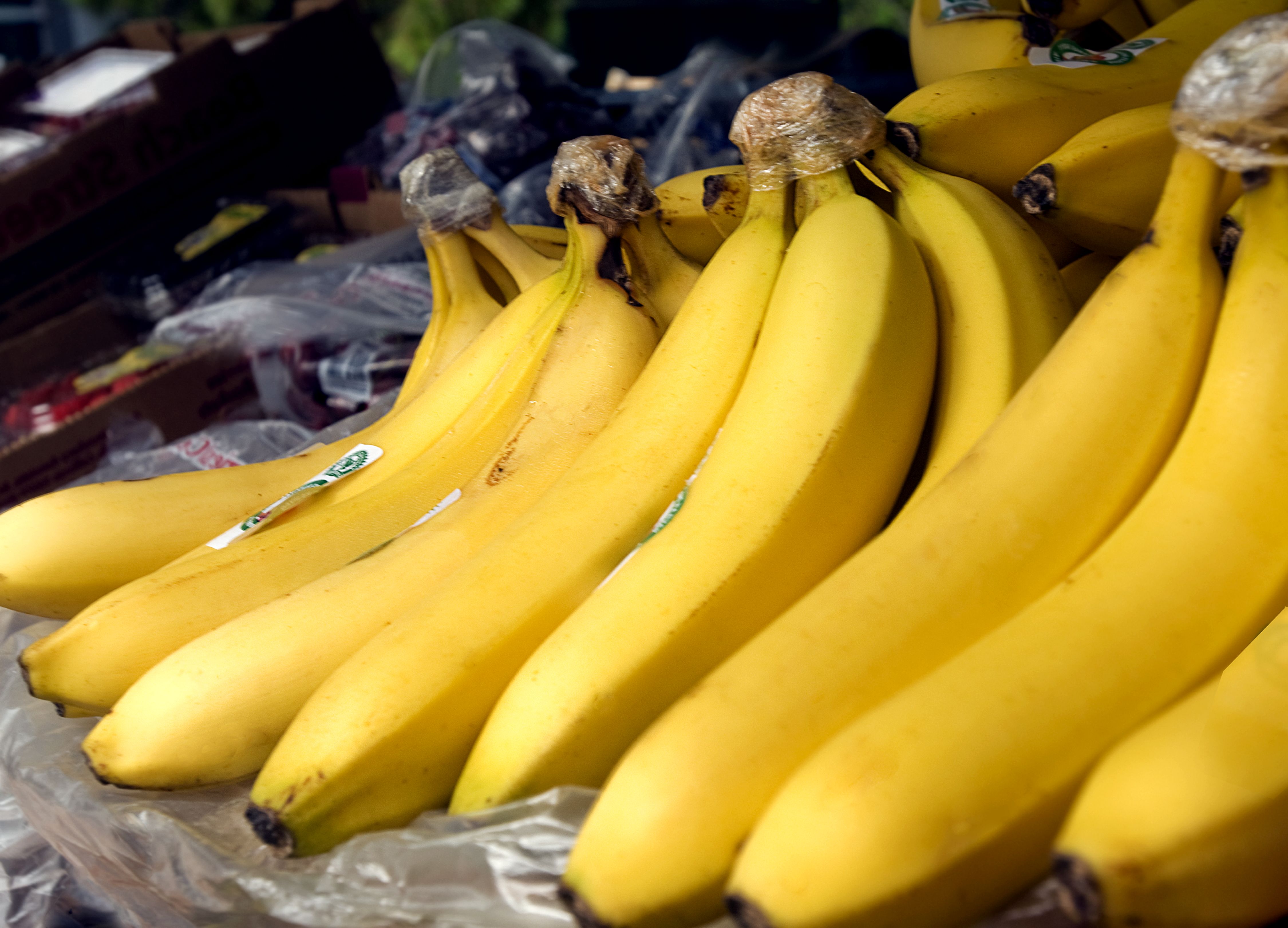
Free picture: up-close, ripe, bananas market
Premium Photo | Close Up Photo Of Fresh Fruit Banana

Premium Photo | Close up photo of fresh fruit Banana
Premium Photo | Close Up Photo Of Fresh Fruit Banana

Premium Photo | Close up photo of fresh fruit banana