If you’re a curious beginner looking for a striking yet manageable pet, the banana pied ball python for sale offers a perfect blend of beauty and ease of care. In this article we break down the visual clues that set the pied morph apart, help you vet reputable sellers, and outline the essential setup steps to keep your new companion thriving. By the end, you’ll know exactly what to expect and how to move forward with confidence.
Why the “Banana Pied” Pattern Matters

When you see a banana pied ball python, the name instantly brings to mind the creamy yellow and rich brown splotches of a ripe banana. Those striking colors are more than just eye‑catching; they are a genetic signature that many breeders value. For a beginner, recognizing the pied pattern helps you differentiate a true banana pied from similar morphs like the pastel or banana. It also signals the snake’s heritage, which can affect price and availability in the banana pied ball python for sale market.
What the Close‑Up Banana Photo Shows About Pied Genetics

The second image mirrors the fruit’s natural gradient, reminding us that the pied morph is a blend of several genetic influences. Just as a banana displays subtle variations in hue, a banana pied ball python can exhibit slightly different blotch sizes and placements. Understanding these nuances helps you set realistic expectations when browsing banana pied ball python for sale listings and when comparing individual specimens.
Choosing a Reputable Seller
Not every listing guarantees a healthy animal. Look for sellers who provide detailed records of feeding, shedding cycles, and any health checks. Reputable breeders will often share photos of the snake in its enclosure, allowing you to verify the quality of the morph before you buy.
Setting Up the Ideal Enclosure
Ball pythons thrive in a warm, humid environment that mimics their native West African habitat. Aim for a temperature gradient of 75‑80°F on the cool side and 85‑90°F on the warm side, with a basking spot around 90°F. Provide a hide box on each end of the tank and a substrate that retains moisture, such as coconut fiber. Proper humidity (50‑60%) helps prevent shedding issues and supports healthy growth.
Feeding, Health Checks, and Ongoing Care
Offer your new banana pied ball python a diet of appropriately sized rodents, typically one to two weeks after it has settled into its new home. Start with a small mouse or fuzzy rat, and gradually increase the prey size as the snake grows. Schedule a veterinary checkup within the first month to screen for parasites and confirm that the pieds’ skin condition remains optimal.
If you’re a curious beginner looking for a striking yet manageable pet, the banana pied ball python for sale offers a perfect blend of beauty and ease of care. In this article we break down the visual clues that set the pied morph apart, help you vet reputable sellers, and outline the essential setup steps to keep your new companion thriving. By the end, you’ll know exactly what to expect and how to move forward with confidence.
Why the “Banana Pied” Pattern Matters
When you see a banana pied ball python, the name instantly brings to mind the creamy yellow and rich brown splotches of a ripe banana. Those striking colors are more than just eye‑catching; they are a genetic signature that many breeders value. For a beginner, recognizing the pied pattern helps you differentiate a true banana pied from similar morphs like the pastel or banana. It also signals the snake’s heritage, which can affect price and availability in the banana pied ball python for sale market.
What the Close‑Up Banana Photo Shows About Pied Genetics
The second image mirrors the fruit’s natural gradient, reminding us that the pied morph is a blend of several genetic influences. Just as a banana displays subtle variations in hue, a banana pied ball python can exhibit slightly different blotch sizes and placements. Understanding these nuances helps you set realistic expectations when browsing banana pied ball python for sale listings and when comparing individual specimens.
Choosing a Reputable Seller
Not every listing guarantees a healthy animal. Look for sellers who provide detailed records of feeding, shedding cycles, and any health checks. Reputable breeders will often share photos of the snake in its enclosure, allowing you to verify the quality of the morph before you buy.
Setting Up the Ideal Enclosure
Ball pythons thrive in a warm, humid environment that mimics their native West African habitat. Aim for a temperature gradient of 75‑80°F on the cool side and 85‑90°F on the warm side, with a basking spot around 90°F. Provide a hide box on each end of the tank and a substrate that retains moisture, such as coconut fiber. Proper humidity (50‑60%) helps prevent shedding issues and supports healthy growth.
Feeding, Health Checks, and Ongoing Care
Offer your new banana pied ball python a diet of appropriately sized rodents, typically one to two weeks after it has settled into its new home. Start with a small mouse or fuzzy rat, and gradually increase the prey size as the snake grows. Schedule a veterinary checkup within the first month to screen for parasites and confirm that the pieds’ skin condition remains optimal.
Premium Photo | Close Up Photo Of Fresh Fruit Banana

Premium Photo | Close up photo of fresh fruit Banana
Close-up Sweet Fresh Banana Fruit Still Hanging On The Tree 50630364

Close-up Sweet fresh banana fruit still hanging on the tree 50630364 ...
Free Picture: Up-close, Ripe, Bananas Market
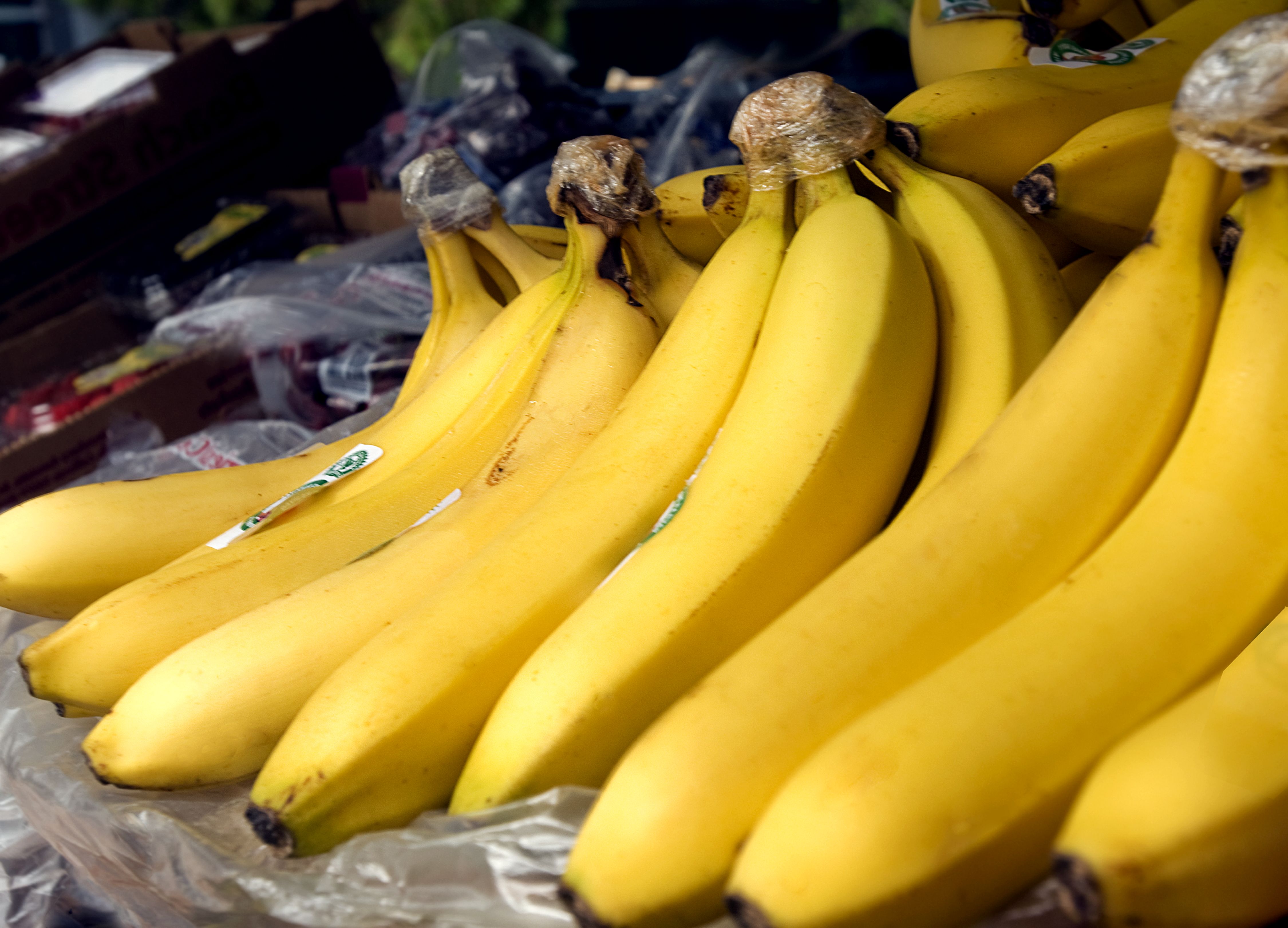
Free picture: up-close, ripe, bananas market