If you’ve ever stared at a glossy advert and wondered whether that eye‑catching orange‑and‑black snake is truly worth the price, you’re not alone. The banana cinnamon ball python for sale market has exploded in the last few years, driven by its vivid coloration and manageable size. But the surge also means more listings, variable quality, and a need for buyers to ask the right questions before they click “buy now.” This guide walks you through the most important checkpoints, from spotting authentic markings to preparing a safe home for your new pet.
What Makes the Banana Cinnamon Morph So Distinct?

When you look at a ripe banana, you see a blend of bright yellow with subtle brown speckles. The banana cinnamon morph mirrors that palette in a reptile: a warm, honey‑amber base overlaid with irregular, chocolate‑brown saddles. That visual parallel isn’t just decorative; it’s a reliable cue for breeders who want to confirm they’re working with the genuine cinnamon gene. Authentic specimens display a consistent contrast that holds up from hatchling to adult, and the pattern remains stable as the snake matures.
How Can You Confirm a Listing Is Genuine?
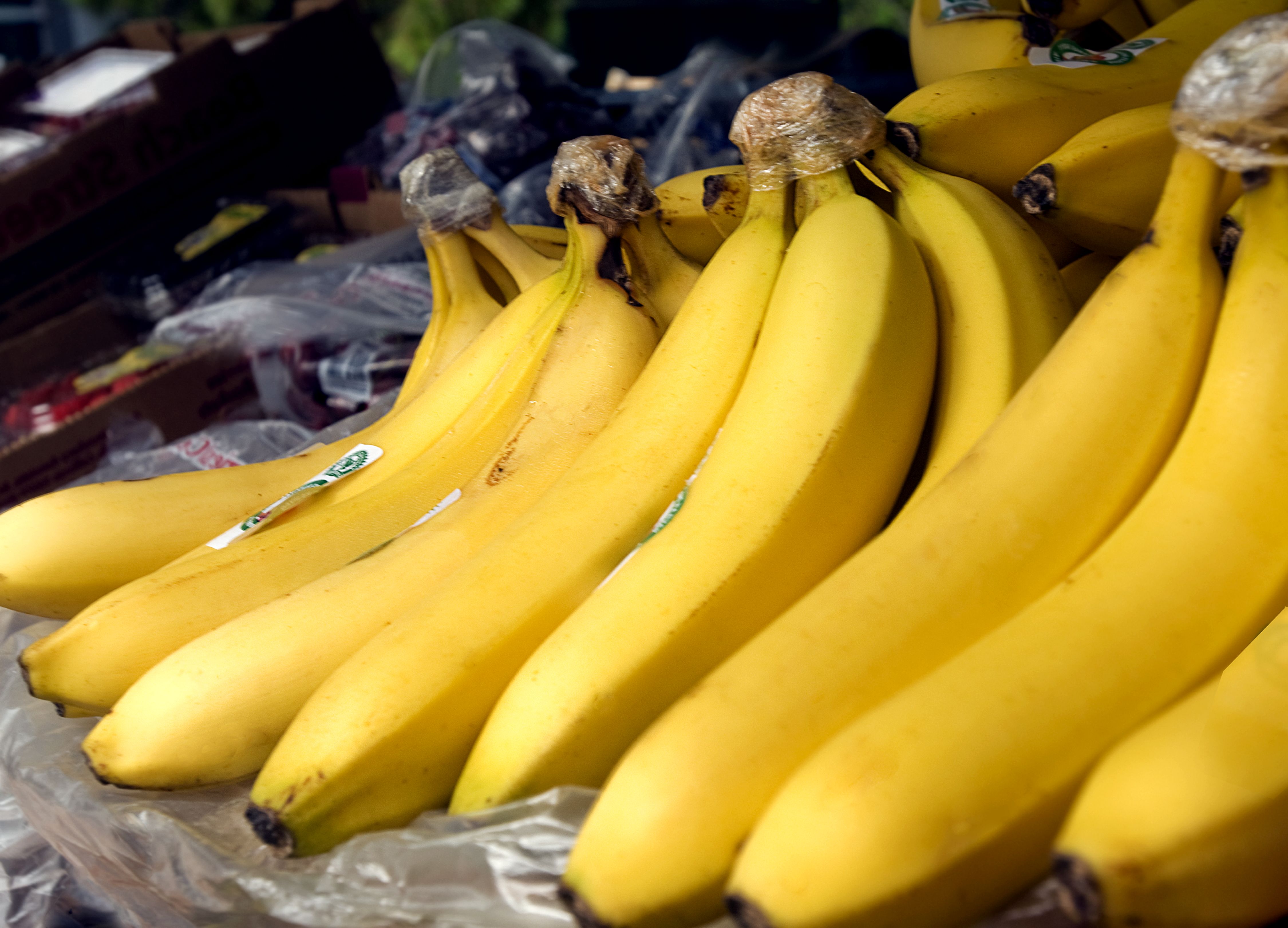
Online ads can be misleading, especially when stock photos are reused for different morphs. One practical trick is to compare the seller’s images with the natural striping seen on bananas. The banana cinnamon ball python’s dorsal saddles appear as irregular, darker bands that run across a lighter background, much like the way ripe bananas display a series of blended shades. If a photo shows a clean, uniform checkerboard that doesn’t match this organic layout, ask the seller for a close‑up of the snake’s head or ventral side. Reputable breeders will provide multiple angles, including a clear view of the eyes and scales.
Creating the Right Enclosure for Your New Python
A 40‑gallon rack or a well‑ventilated plastic tub works for most adult banana cinnamon ball pythons, but the key is floor space and hiding spots. Provide a substrate that retains humidity without becoming soggy—cypress mulch or coconut fiber are popular choices. Temperature gradients of 78‑82°F on the cool side and 88‑92°F on the warm side encourage proper digestion, while a humidity level around 55‑65% helps prevent shedding problems. Add a sturdy hide, a water bowl large enough for soaking, and a few branch perches to mimic a natural arboreal environment.
Feeding Basics That Keep Your Python Thriving
In the wild, these snakes eat small mammals, primarily rodents. In captivity, a diet of frozen‑thawed mice or rats, sized to the width of the snake’s mid‑body, is ideal. Hatchlings start with pinkies, moving to fuzzy or small adult mice within weeks. Feed once every 7‑10 days for juveniles and every 10‑14 days for adults; over‑feeding can lead to obesity and liver issues. Always monitor your snake’s weight and adjust portions accordingly.
Legal and Ethical Considerations Before You Purchase
While the banana cinnamon morph is legal in most U.S. states, some jurisdictions impose breeding permits or CITES documentation for certain morphs. Verify that the seller can provide a health certificate and proof of captive‑bred origin—wild‑caught specimens often carry parasites and are not recommended for beginners. Check local regulations regarding ownership, especially if you live in a residential area with homeowner association rules.
Final Checklist: Is This the Right Python for You?
Ask yourself three quick questions before you place an order: Do I have the space and budget for a properly equipped enclosure? Am I comfortable handling a snake that can grow to 3‑4 feet in length? Do I know how to respond to shedding problems or respiratory infections? If you can answer “yes” to all three, you’re ready to move forward with a confident purchase of a banana cinnamon ball python for sale.
If you’ve ever stared at a glossy advert and wondered whether that eye‑catching orange‑and‑black snake is truly worth the price, you’re not alone. The banana cinnamon ball python for sale market has exploded in the last few years, driven by its vivid coloration and manageable size. But the surge also means more listings, variable quality, and a need for buyers to ask the right questions before they click “buy now.” This guide walks you through the most important checkpoints, from spotting authentic markings to preparing a safe home for your new pet.
What Makes the Banana Cinnamon Morph So Distinct?
When you look at a ripe banana, you see a blend of bright yellow with subtle brown speckles. The banana cinnamon morph mirrors that palette in a reptile: a warm, honey‑amber base overlaid with irregular, chocolate‑brown saddles. That visual parallel isn’t just decorative; it’s a reliable cue for breeders who want to confirm they’re working with the genuine cinnamon gene. Authentic specimens display a consistent contrast that holds up from hatchling to adult, and the pattern remains stable as the snake matures.
How Can You Confirm a Listing Is Genuine?
Online ads can be misleading, especially when stock photos are reused for different morphs. One practical trick is to compare the seller’s images with the natural striping seen on bananas. The banana cinnamon ball python’s dorsal saddles appear as irregular, darker bands that run across a lighter background, much like the way ripe bananas display a series of blended shades. If a photo shows a clean, uniform checkerboard that doesn’t match this organic layout, ask the seller for a close‑up of the snake’s head or ventral side. Reputable breeders will provide multiple angles, including a clear view of the eyes and scales.
Creating the Right Enclosure for Your New Python
A 40‑gallon rack or a well‑ventilated plastic tub works for most adult banana cinnamon ball pythons, but the key is floor space and hiding spots. Provide a substrate that retains humidity without becoming soggy—cypress mulch or coconut fiber are popular choices. Temperature gradients of 78‑82°F on the cool side and 88‑92°F on the warm side encourage proper digestion, while a humidity level around 55‑65% helps prevent shedding problems. Add a sturdy hide, a water bowl large enough for soaking, and a few branch perches to mimic a natural arboreal environment.
Feeding Basics That Keep Your Python Thriving
In the wild, these snakes eat small mammals, primarily rodents. In captivity, a diet of frozen‑thawed mice or rats, sized to the width of the snake’s mid‑body, is ideal. Hatchlings start with pinkies, moving to fuzzy or small adult mice within weeks. Feed once every 7‑10 days for juveniles and every 10‑14 days for adults; over‑feeding can lead to obesity and liver issues. Always monitor your snake’s weight and adjust portions accordingly.
Legal and Ethical Considerations Before You Purchase
While the banana cinnamon morph is legal in most U.S. states, some jurisdictions impose breeding permits or CITES documentation for certain morphs. Verify that the seller can provide a health certificate and proof of captive‑bred origin—wild‑caught specimens often carry parasites and are not recommended for beginners. Check local regulations regarding ownership, especially if you live in a residential area with homeowner association rules.
Final Checklist: Is This the Right Python for You?
Ask yourself three quick questions before you place an order: Do I have the space and budget for a properly equipped enclosure? Am I comfortable handling a snake that can grow to 3‑4 feet in length? Do I know how to respond to shedding problems or respiratory infections? If you can answer “yes” to all three, you’re ready to move forward with a confident purchase of a banana cinnamon ball python for sale.
Close-up Sweet Fresh Banana Fruit Still Hanging On The Tree 50630364

Close-up Sweet fresh banana fruit still hanging on the tree 50630364 ...
Premium Photo | Close Up Photo Of Fresh Fruit Banana

Premium Photo | Close up photo of fresh fruit Banana
Premium Photo | Close Up Photo Of Fresh Fruit Banana

Premium Photo | Close up photo of fresh fruit Banana